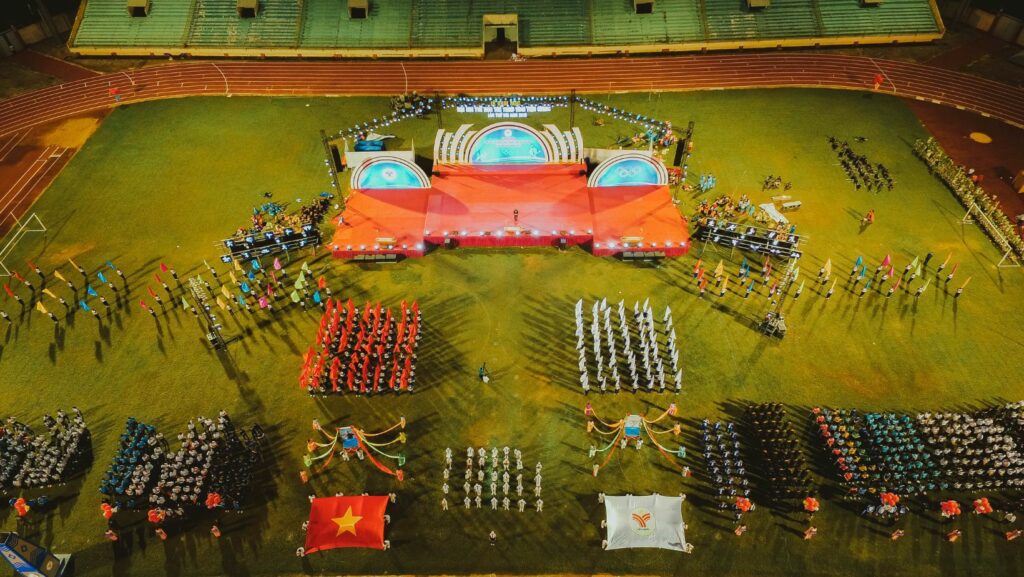

Picture this: You’re standing in a crowded arena, the buzz of conversation mixing with the squeak of sneakers on polished floors. Someone hands you a business card with a sweaty palm. You laugh about the last-minute overtime win. In that moment, you realize sports networking events aren’t just about swapping LinkedIn profiles—they’re about real connections, shared adrenaline, and the kind of stories you’ll tell for years.
Why Sports Networking Events Matter
If you’ve ever wondered how people land jobs with pro teams or launch sports startups, here’s the part nobody tells you: It’s not just talent. It’s who you know, and how you connect. Sports networking events are the secret sauce. They bring together coaches, agents, marketers, athletes, and dreamers. The stakes? Your next big break could be one handshake away.
Let’s break it down. The sports industry is massive—worth over $500 billion globally. But it’s also tight-knit. Opportunities often come from personal recommendations, not job boards. If you want in, you need to show up, shake hands, and make an impression.
What Happens at Sports Networking Events?
Forget stuffy conference rooms. Sports networking events can happen courtside, at charity golf tournaments, or even during fantasy football drafts. The best ones mix business with play. You might find yourself pitching a sponsorship idea over nachos or swapping stories with a retired athlete at a happy hour.
- Panel discussions with industry insiders
- Speed networking sessions (think speed dating, but for your career)
- Live games or skills challenges to break the ice
Here’s why this matters: When you bond over a shared love of the game, conversations flow. People remember you. And that’s when opportunities start to pop up.
Who Should Attend Sports Networking Events?
If you’re obsessed with sports and want to work in the industry, these events are for you. That includes:
- College students eyeing internships
- Coaches looking for new gigs
- Sports marketers and agents
- Entrepreneurs with a fresh idea
- Former athletes making a career pivot
But here’s the truth: If you hate small talk, or you’re just looking for a quick win, you might struggle. Sports networking events reward patience, curiosity, and a genuine love for the game. If you’re willing to listen, ask questions, and share your own story, you’ll fit right in.
How to Stand Out at Sports Networking Events
Let’s get practical. You don’t need to be the loudest person in the room. You just need to be memorable. Here’s how:
- Do your homework. Know who’s attending. Research speakers and panelists. Have a few smart questions ready.
- Bring a story, not just a resume. People remember moments, not bullet points. Share a quick story about a time you failed, learned, or pulled off something wild.
- Listen more than you talk. Ask others about their path. You’ll learn more—and people love to talk about themselves.
- Follow up fast. Send a quick message after the event. Mention something specific you discussed. Don’t wait a week—strike while the memory’s fresh.
Here’s a mistake I made at my first sports networking event: I tried to impress everyone with stats and jargon. Nobody cared. The person who got the most business cards? The one who told a hilarious story about getting lost in a stadium. Lesson learned: Be human first, expert second.
Types of Sports Networking Events
Not all sports networking events are created equal. Some are huge conventions with thousands of attendees. Others are small, invite-only dinners. Here are a few types you’ll run into:
- Local meetups: Smaller, more casual. Great for building relationships in your city.
- Charity tournaments: Golf, basketball, even e-sports. You bond over competition and a good cause.
- Virtual networking events: Since 2020, these have exploded. You can connect with people worldwide from your couch.
Each type has its own vibe. Try a few and see what fits your style.
What to Bring (and What to Leave Behind)
You don’t need a fancy suit or a stack of business cards as thick as a playbook. Here’s what actually helps:
- Comfortable shoes (you’ll be on your feet)
- A simple, memorable business card
- One or two questions you’re dying to ask
- An open mind—seriously, you never know who you’ll meet
Leave behind the hard sell. Nobody likes a walking sales pitch. Focus on building real relationships. The rest will follow.
Common Mistakes at Sports Networking Events
Everyone messes up at their first few sports networking events. Here are a few classic blunders:
- Talking only about yourself
- Forgetting names (write them down!)
- Skipping the follow-up
- Clinging to people you already know
- Trying to meet everyone instead of making a few real connections
If you’ve ever left an event feeling like you blew it, you’re not alone. The good news? Every event is a fresh start. The more you go, the easier it gets.
How to Find the Right Sports Networking Events
Ready to jump in? Start local. Search for sports networking events in your city. Check out Eventbrite, Meetup, or LinkedIn. Follow sports business groups on social media. Ask your college’s career center or alumni network. And don’t be afraid to reach out to people you admire—they might invite you to something you’d never find online.
Here’s a tip: The best events aren’t always the biggest. Sometimes, a small breakfast with five people leads to the best connections.
Building Lasting Connections
Sports networking events are just the start. The real magic happens after. Stay in touch. Share articles, congratulate people on wins, and offer help when you can. Over time, you’ll build a network that feels more like a team than a contact list.
If you’re serious about a career in sports, don’t wait for the perfect moment. Show up, be curious, and let the games begin. The next handshake could change everything.